Weaving ears of grain into a crown of thanks
How people live here
The Dożynki harvest festival gives thanks for the harvest and agricultural labor; public celebrations may feature wreaths woven from grain ears, bread, processions and folk performances. Villages and towns across Poland and national events hold them on different dates, and the tradition has also passed through changing religious and political contexts. To understand a specific celebration, look at who farms the land, who makes the wreaths, and how the local community shares the results.
A harvest wreath is not a casually gathered bunch of wheat. Ripe ears are selected, tied and assembled into three-dimensional shapes that show their makers' patience. Bread turns grain into food to share, while processions and performances bring communities together. The Polish Ministry of Agriculture's announcement for the 2026 celebrations in Spala lists wreath displays, ceremonies and a folk stage; other places have their own scale and programs. Harvest festivals center on symbols and a full year of practical labor. After noticing a grain in the wreath, look toward farmers, craft groups and the people preparing food that day.
Take a closer look
A sculptural crown woven from ears of grain
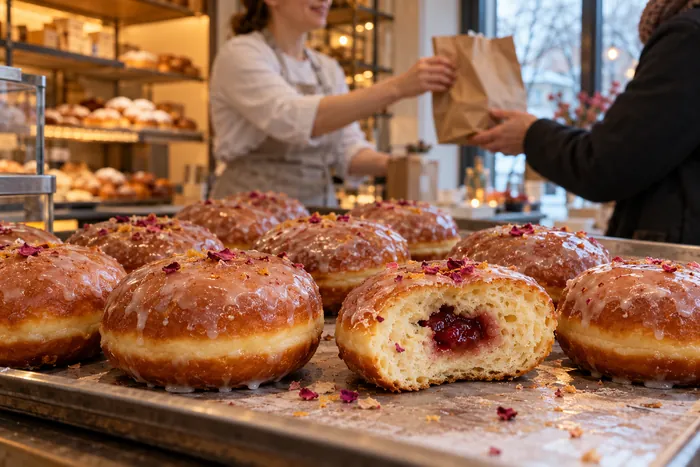
Decorated bread to share
A festive procession in a rural community
Look with respect
Do not remove tassel crowns or step into fields; follow on-site etiquette during religious segments; ask before photographing farmers and craft groups, and respect labor rather than merely taking a view.
These accounts describe particular places and communities. Consult current local information for dates, participation rules and contemporary forms.