Drumming brings Kalibo's neighborhoods together
How people live here
Ati-Atihan gathers people in Kalibo through drums, dance groups and devotion to the Santo Nino. Its name connects with local Ati Indigenous people, but festival dress is not their whole life. Understanding the streets requires distinguishing performance, faith and community identity.
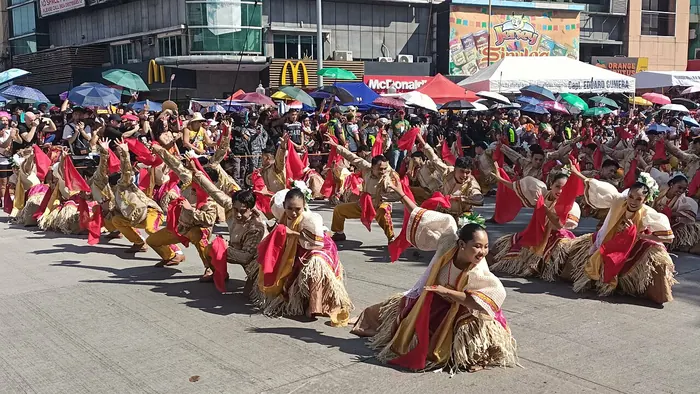
A drum group passes a street corner, and participants follow its repeated rhythms, with distinctive clothing, headdresses and face decoration. Today's Ati-Atihan includes religious participation, community groups and tourism activities. Popular origin stories should not automatically be treated as established history. Notice who is playing, who is praying and who organizes the route, rather than imagining everyday Indigenous life from festival clothing. A photograph records a moment of public celebration; the people pictured should still be the ones to describe their own identities and lives.
Take a closer look
The drum group's continuous striking movements
Attire that differs among dance troupes
Devotion to the Holy Child and street processions
Look with respect
Respect Ati communities. Do not imitate derogatory costumes or comment on skin color. Follow on-site instructions for photography, religious participation and joining processions.
These accounts describe particular places and communities. Consult current local information for dates, participation rules and contemporary forms.