News of the moon arrives while the night market stays lit
How people live here
Chaand Raat connects the end of Ramadan with the arrival of Eid al-Fitr. In some Pakistani cities, shopping streets and craft markets extend the festive preparations into the night. Bangles, henna, new clothes and snacks bring friends' and relatives' preparations into public streets. Not everyone attends night markets, and the date depends on local moon sightings and religious authorities' announcements, rather than a fixed Gregorian month.
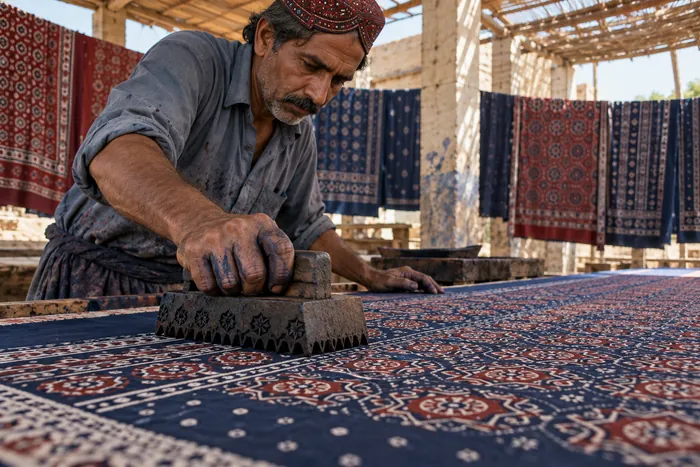
At pre-festival markets such as those of Lok Virsa, glass bangles are laid out in rows by color, henna artists draw patterns for willing customers, and handmade clothing and embroidery also draw families to choose. Shopping is not only buying things; it is also preparation for visiting relatives and gathering the next day. Moon-sighting announcements determine the change of the festival period, while on-site business arrangements are announced separately by local authorities. On the same night, many people may also rest at home, prepare food, or pray. When observing this street, one should see clearly the everyday rhythms of customers and artisans, rather than imagining all Muslim women as having one kind of dress and life.
Take a closer look
Rows of colorful bangles
Fine lines drawn by a henna artist
Craft stalls still lit before the festival
Look with respect
Ask before photographing henna and people, and ask about ingredients before buying or using it. Follow neighborhood order without disturbing prayer or passage.
These accounts describe particular places and communities. Consult current local information for dates, participation rules and contemporary forms.