A mounted procession through Kano carries a whole world of craft
How people live here
The Durbar procession in Kano features the Emir and different mounted contingents as important components, along with walkers, drummers and public participation. Harness, clothing, weaving and dyeing, and metalwork bring many crafts together on the same route. It is closely tied to local politics, communities and religious festival periods; specific processions each have their own time and purpose and cannot be generalized as a single nationwide equestrian performance.
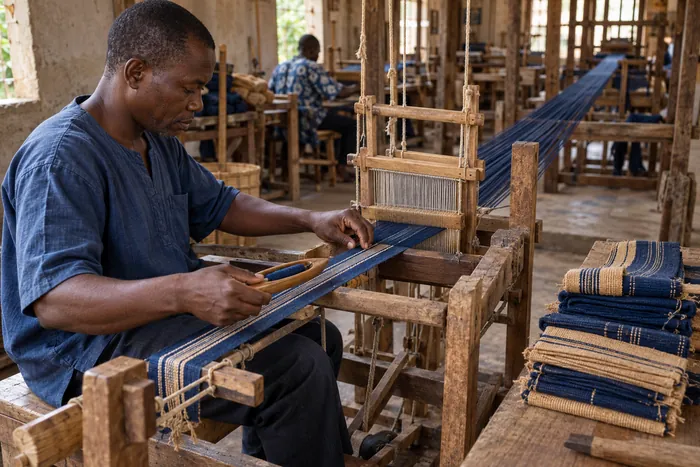
First look at the distance kept between the horses, then at how each team's tack and costume form their own outline. The drumbeats and the entrance of courtly figures give the route a clear order; what onlookers see is only a fragment of vast preparation. The UNESCO record focuses not only on riding but also on the transmission of leatherwork, weaving, embroidery and forging. Different processions in Kano have their own routes and times, and whether one is actually held must be checked against local announcements. Only by shifting your gaze from the splendid riders to the people leading horses, adjusting gear and keeping the roads clear can you understand the cooperation this public ceremony requires.
Take a closer look
Finely decorated horse tack
Riders in different forms of dress
Drummers carrying the rhythm along the route
Look with respect
Use official viewing areas and keep clear of horses and processions. Do not touch horses or enter palace spaces without permission. Follow local photography and dress guidance.
These accounts describe particular places and communities. Consult current local information for dates, participation rules and contemporary forms.