A narrow strip of cloth weaves a broad narrative
How people live here
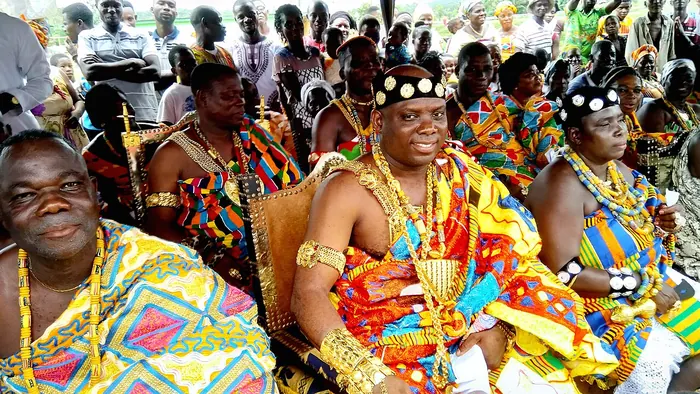
Kente joins narrow woven strips, with weavers arranging blocks of color, stripes and intricate patterns on horizontal looms. Asante, Ewe and other communities hold different traditions. Names, uses and occasions make works more than strikingly colored textiles.
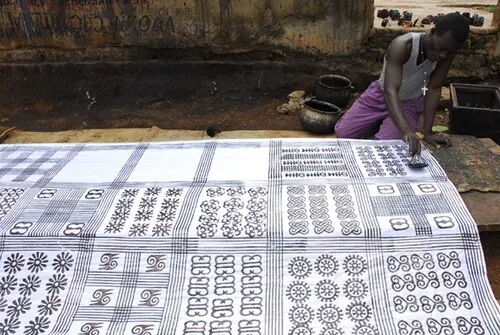
First look at the narrow strip on the loom, then at how it is sewn together with other woven strips into a large draped cloth, and you'll understand the structure of kente. Craftspeople control the warp and weft with hands and feet working together, and the patterns emerge section by section through repeated movements. Cloth may enter festivals, the conferring of honors or other important occasions, but the specific meanings need to be explained by weavers and wearers. Traditional knowledge is also passed on through families, apprentices and communities. When appreciating it, rather than assigning a fixed meaning to each color at random, first listen clearly to the name and origin of the piece itself.
Take a closer look
Narrow bands on a horizontal loom
Geometric color blocks and details of warp and weft
A cloth surface pieced together from many woven bands
Look with respect
Ask for the names of works and patterns, and respect weavers' credit and prices. Do not operate looms or try on ceremonial cloth without permission.
These accounts describe particular places and communities. Consult current local information for dates, participation rules and contemporary forms.